
Debunking the Top 5 Common Myths About EV Charging

Electric vehicles (EVs) are becoming more popular every year, but many people still hesitate to switch because of concerns about charging. Misinformation about EV charging can create unnecessary doubts and confusion. This post clears up the top five myths about EV charging, helping you understand how it really works and why it’s easier than many think.
Myth 1: EV Charging Takes Too Long
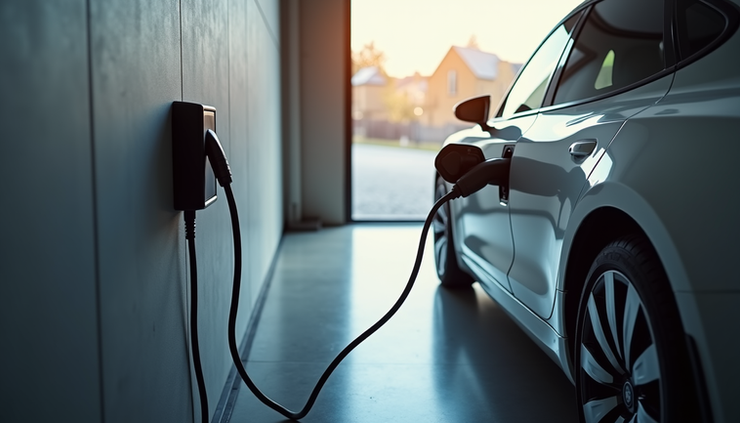
One of the biggest worries is that charging an EV takes hours, making it impractical for daily use. While it’s true that charging speed varies, most EV owners charge their cars overnight at home using Level 2 chargers. These chargers typically add 20 to 30 miles of range per hour, which is enough for daily driving needs.
For longer trips, fast chargers (DC fast chargers) can add 60 to 80 miles of range in just 20 minutes. Public charging networks are expanding rapidly, making quick top-ups more accessible. So, charging time depends on your charger type and driving habits, but it’s rarely a major inconvenience.
Myth 2: EV Charging Is Expensive
Many assume that charging an EV costs more than fueling a gasoline car. In reality, electricity is usually cheaper than gasoline on a per-mile basis. For example, the U.S. Department of Energy estimates that driving an EV costs about half as much as a gas car for the same distance.
Charging at home during off-peak hours can reduce costs even further. Some utilities offer special EV rates that lower electricity prices overnight. Public chargers vary in price, but many offer competitive rates or even free charging in some locations. Overall, EV charging is a cost-effective option for most drivers.
Myth 3: You Need Special Equipment to Charge at Home
People often think installing an EV charger at home requires complicated or expensive equipment. While Level 2 chargers do require a dedicated 240-volt outlet, many EVs come with a portable Level 1 charger that plugs into a standard 120-volt outlet. This means you can start charging your EV right away without any upgrades.
If you want faster charging, installing a Level 2 charger is a one-time investment that many homeowners find worthwhile. Electricians can complete the installation in a few hours, and some local incentives help reduce the cost. Home charging is simple and convenient once set up.
Myth 4: EV Charging Stations Are Hard to Find
Another common myth is that public charging stations are rare and difficult to locate. Charging infrastructure has grown significantly in recent years. Apps and websites like PlugShare, ChargePoint, and others make it easy to find nearby chargers, check availability, and even reserve spots.
Many shopping centers, parking garages, workplaces, and hotels now offer EV charging. Governments and private companies continue to invest in expanding networks, especially along highways. For most drivers, finding a charging station is no longer a challenge.
Myth 5: Frequent Fast Charging Damages the Battery
Some believe that using fast chargers regularly will harm an EV’s battery and shorten its lifespan. While fast charging generates more heat and stress on the battery than slow charging, modern EVs have advanced battery management systems that protect against damage.
Manufacturers design batteries to handle fast charging safely, and many EV owners use fast chargers without issues. To maximize battery health, experts recommend using fast charging mainly for long trips and relying on slower home charging for daily use. This balanced approach keeps the battery in good condition over time.
EV charging is simpler, more affordable, and more accessible than many people realize. Understanding the facts helps remove barriers to adopting electric vehicles. If you’re considering an EV, focus on your driving patterns and available charging options. Most drivers find that charging fits easily into their routines.


Comments